
Studies of Lake of the Woods show how water can struggle with a legacy of pollution
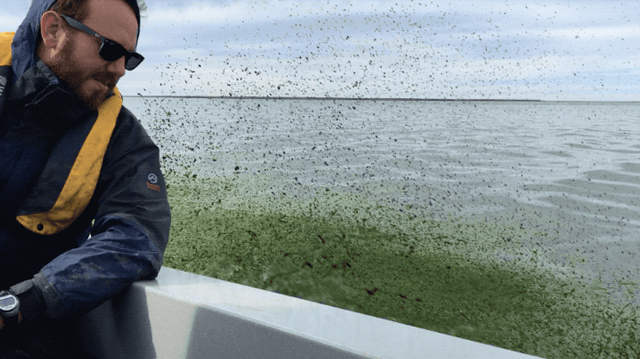 Spanning the U.S.-Canada border at the northern extremity of Minnesota and the northwestern corner of Ontario, vast Lake of the Woods has a storied relationship with humans: as home, as highway, as getaway. Lake of the Woods is well-loved, and troubled. This article from Field Notes -Stories from the St. Croix Watershed Research Station examines the history of pollution and how research studies are improving out understanding the lake’s past and current conditions, including how phosphorus is stored and returned from the lake bottom. These studies are helping us to figure out what forces affect the water quality today — which is essential to setting clean-up goals and identifying the most effective ways to achieve them.
Zombie Phosphorus: The Long-Term Consequences of Nutrient-Rich Runoff

 In lakes throughout the upper Midwest, from giant Lake of the Woods to dozens of smaller lakes in our urban and agricultural landscapes, clean water has not obviously followed pollution reductions. The complex connections between land, water, climate, chemistry, algae, and even fish can conspire to make us pay a high price for past sins. This article from the Field Notes – Stories from the St. Croix Watershed Research Station of the Science Museum of Minnesota examines the role of “legacy” phosphorus in the lake bottom and other factors in recovery of lakes from too much nutrient pollution.
Tour Lake of the Woods by Video
A must see for all!
Lake of the Woods: A History by Water
Lake of the Woods: Eastern Shores