
Buoyed By New Clues to Lake of the Woods
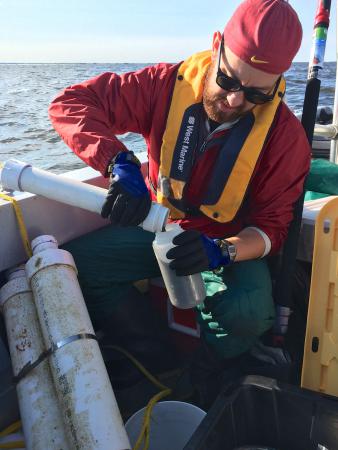 Phosphorus, algae’s favorite food, should be quickly buried by inches of mud year over year. Perhaps, somehow, the phosphorus that had entered the lake during the paper and population booms of the mid-twentieth century is being recycled? Could it be that the turbulent waters of Lake of the Woods south basin (the Big Traverse) are combining with short periods of temperature stratification (when the cold bottom waters of a lake do not mix with the warmer water above) to deplete oxygen and draw nutrients back up from the sediments. Particularly windy days could then mix nutrient rich particles of sediment throughout the water column, allowing pollution from many years ago to be reused over and over again. In this article from the Field Notes – Stories from the St. Croix Watershed Research Station of the Science Museum of Minnesota the story unfolds of research seeking to answer these questions and gain insights into what causes the algae problems plaguing Lake of the Woods.