It has been a full summer for LOWWSF, and we have been steadily working on the Canadian Domestic Phosphorus Management Plan (PMP) for the Rainy–Lake of the Woods watershed. Much of the plan is now in draft form, bringing together science, local knowledge, partner conversations, and potential actions to reduce phosphorus entering our waters.
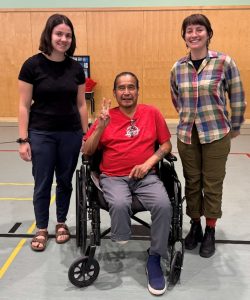
A key part of this summer’s work has been visiting communities and building relationships. We were grateful to be invited to Pegamigaabo School in Mishkosiminiziibiing (Big Grassy), where we shared information about LOWWSF and the PMP and learned from the community and its culture. These opportunities deepen our understanding of how people relate to and care for water and remind us that good water protection is built through trust, relationships, and respect for different ways of knowing.
We have also continued learning about non-point sources of phosphorus – the phosphorus that can move from fields, forests, wetlands, shorelines, and other parts of the landscape into our waters. At Agriculture Days in Emo this July, Meg spoke with producers, technologists, and researchers about local farming conditions, drainage, runoff, and nutrient management, and how these factors will shape the PMP. One interesting topic was using technologies such as drones to identify areas of concern within fields and support more targeted land-management decisions. These tools may help improve crop success while reducing the movement of excess phosphorus into waterways. Importantly, these conversations continued beyond the event, building relationships we hope will support the plan’s development and implementation.
Behind the scenes, we have also met with the project’s Steering Committee, Indigenous Engagement Committee, and nutrient working groups; reviewed information on phosphorus sources; spoken one-on-one with partners; and connected the plan with ongoing monitoring, research, and binational nutrient-management efforts. In the coming months, we will continue drafting the plan and working with partners to identify realistic, collaborative actions for the watershed.