Great news for Lake of the Woods in Canada’s Budget 2021

 Great news for Lake of the Woods in Canada’s Budget 2021. The federal Budget included $1.8 million for Lake of the Woods. This is bridging funding for the current year only, but will allow Environment and Climate Change Canada to maintain research and monitoring activities and continue efforts towards developing phosphorus pollution reduction targets to address toxic algae in the lake. We anticipate that further funding will follow, likely as part of the large-lakes mandate of the Canada Water Agency, currently being established.
Minnesota Draft Phosphorus Plan Public Review Notice
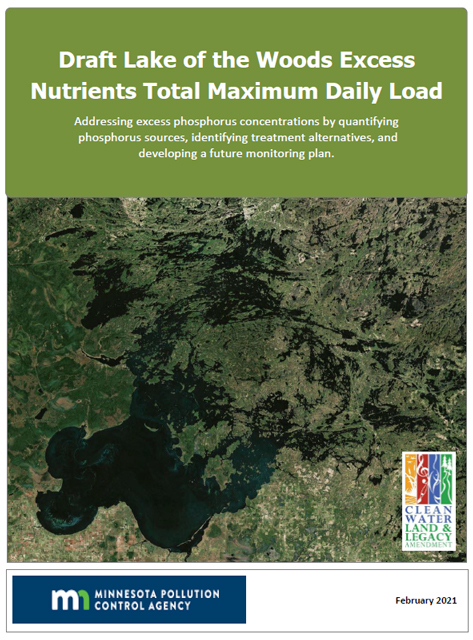
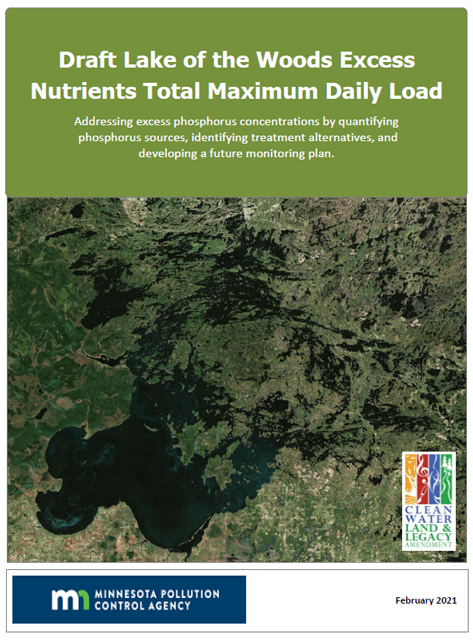 The health of Lake of the Woods also matters to our U.S. neighbours who share this important natural resource. The State of Minnesota, through the Minnesota Pollution Control Agency (MPCA), and the US EPA, under authorities in the Federal Clean Water Act, are also developing a plan for the lake’s restoration including setting reduction targets for U.S. sources of phosphorus.
The Minnesota Pollution Control Agency’s draft Lake of the Woods Nutrient TMDL study will be on public notice from February 22, 2021 through March 24, 2021. The TMDL study is available on the MPCA’s website or can be found by searching online for “Lake of the Woods TMDL”.
Two virtual public information meetings will be held via Webex on March 4 from 1-3 p.m. and 6-8 p.m CST. Information meeting attendees will need to register to obtain a link to the meeting(s). Follow the links below to register for the meetings:
How You Can Help

 Your help now will ensure that we maintain the momentum for our lake. Sign up at the Foundation’s website to show your support and receive our email updates, including notices of upcoming consultations on ecosystem and phosphorus objectives with Environment and Climate Change Canada.
Please consider donating to the Foundation www.lowwsf.com/donate.
For U.S. donors requiring a receipt for U.S. tax purposes, see www.lowwsf.com/donate-usa for U.S. donor instructions.
Your gift will help make sure that Lake of the Woods is a priority with governments, that research is completed and that a sustainability plan is developed and implemented to restore and protect the water quality of Lake of the Woods.
Satellite Monitoring of Algal Blooms – Tools Now Available to Scientists and the Public
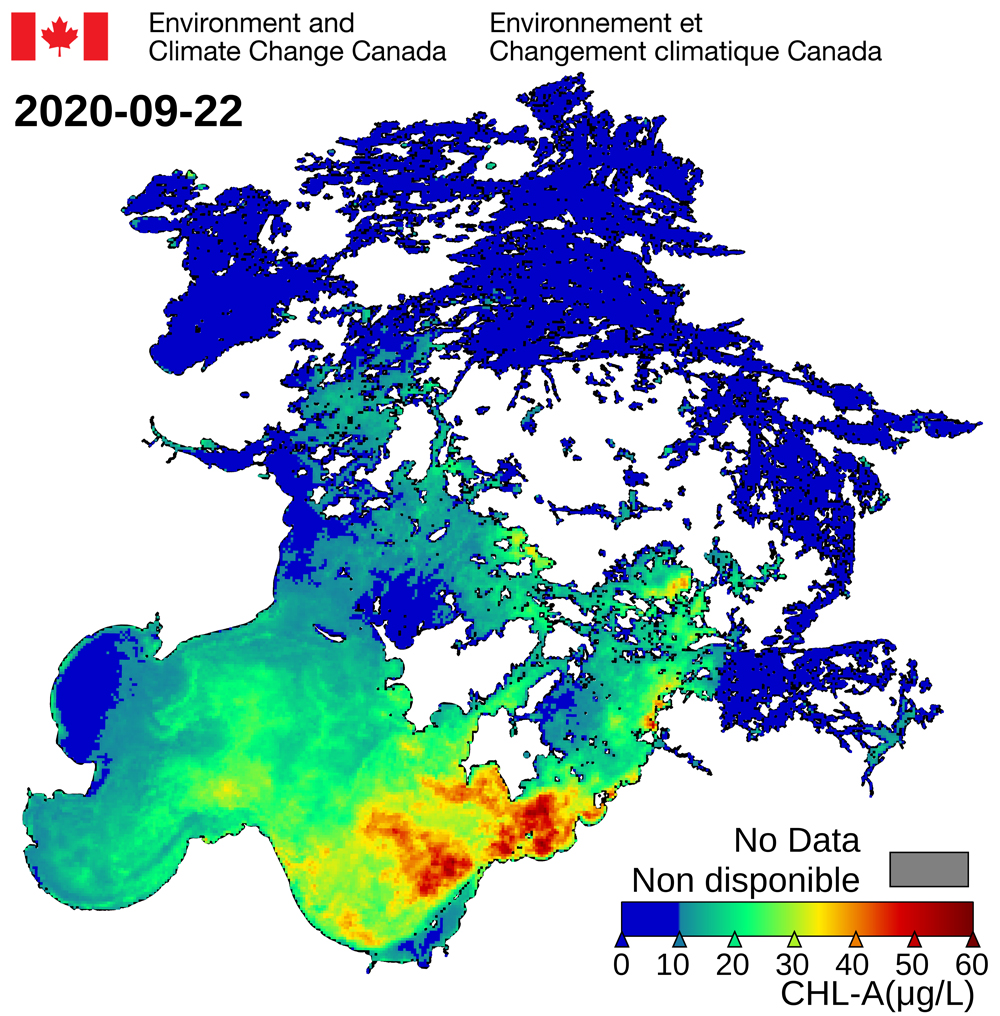
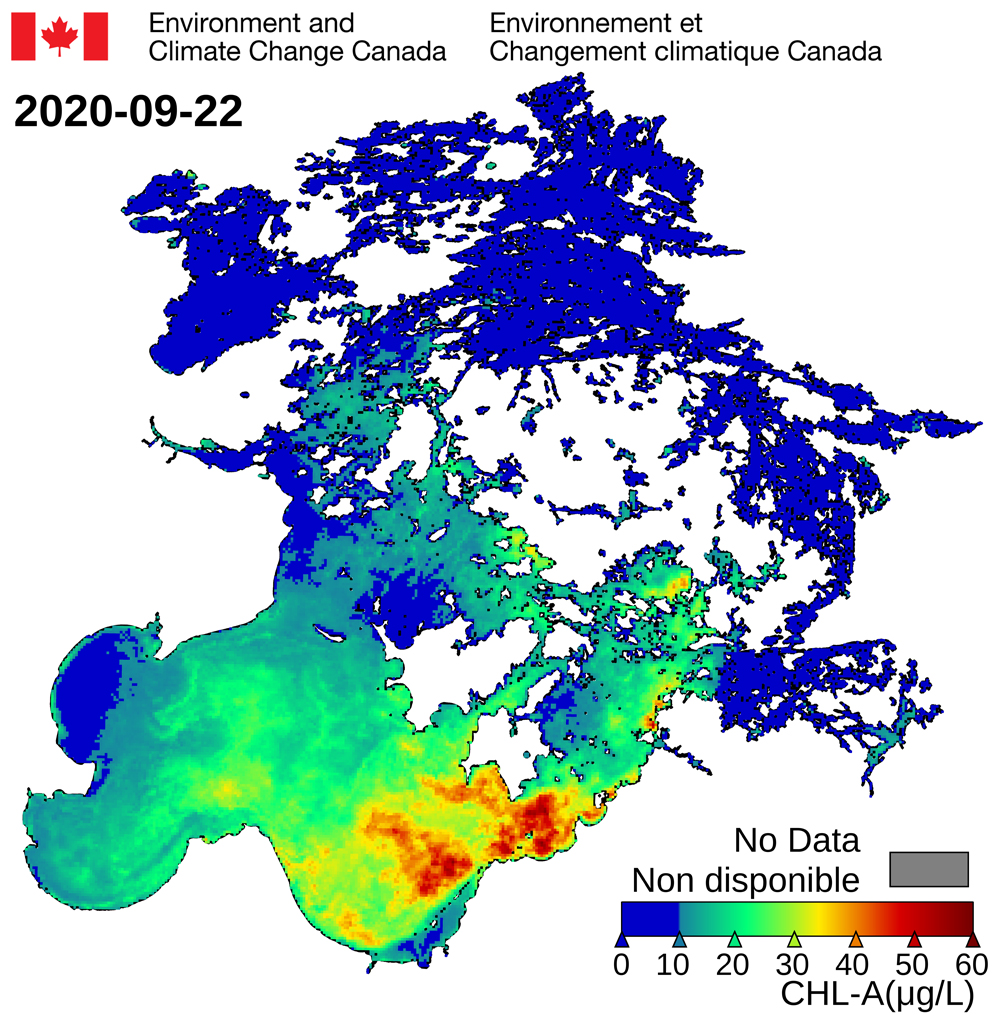 This is really good stuff — check it out! We’ve all seen the compelling satellite pictures of blue green algae blooms covering Lake of the Woods. Now there’s a way for you to see them in near real time and also how they can be used.
Dr. Caren Binding of ECCC has harnessed these images for near real-time tracking of algae blooms and has developed indices of bloom severity, intensity and extent across the lake. These indices will be extremely useful in monitoring and measuring the effectiveness of efforts to cut phosphorus to reduce harmful algae blooms.
Dr. Binding has also launched an online tool (ECCC’s EOLakeWatch), that provides a suite of website interactive tools for algal bloom monitoring for Lake of the Woods, Lake Winnipeg and Lake Erie. You can also sign up to receive periodic bloom reports or follow Dr. Binding / EOLakeWatch on Twitter.
Trent University Research Focuses on Phosphorus from Canadian Streams with Grant from LOWWSF
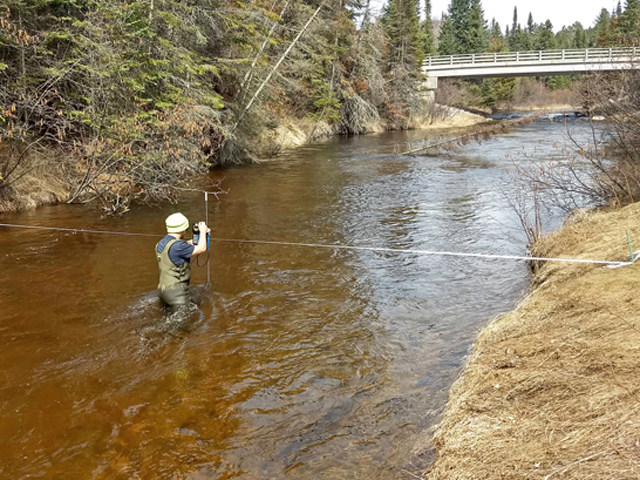
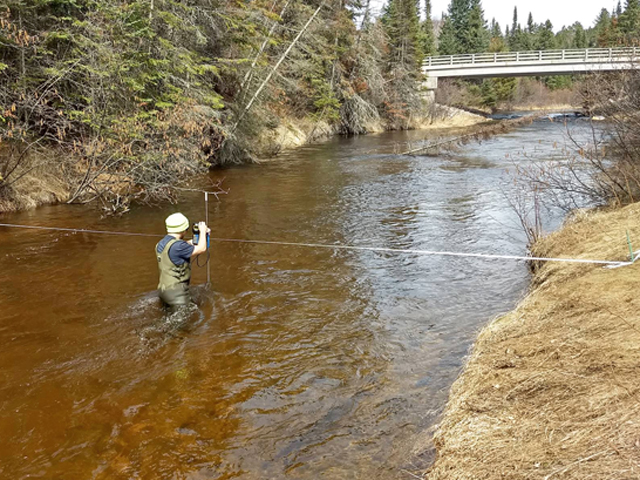 LOWWSF is providing a grant to Trent University researchers working to quantify nutrient (primarily phosphorus) loading from tributaries to Lake of the Woods and the Rainy River from the Canadian portion of the basin.
The research team, led by Dr. Catherine Eimers, continued this work this summer, with much of the heavy lifting being done by MSc. candidate Andrew Williams. We expect the results of Andrew’s work to be extremely useful in identifying concrete actions that can be taken to reduce phosphorus loading to Lake of the Woods, to combat the harmful algal blooms.
Andrew’s thesis research is being supported by the grant from the Lake of the Woods Water Sustainability Foundation to Trent University, with matching funds from Mitacs, a not-for-profit organization that supports training of researchers in Canada.
LOWWSF remembers John Turner, a champion and great friend of Lake of the Woods

Former Prime Minister and LOWWSF- mentor leaves a legacy of international cooperation to protect Lake of the Woods water quality.
 The Lake of the Woods Water Sustainability Foundation (LOWWSF) and its Directors mourn the loss of the Right Honourable John Napier Turner PC CC QC, former Prime Minister of Canada and LOWWSF supporter and mentor.
Lake of the Woods has lost a great friend and champion for the lake. Mr. Turner was passionate about water, its importance to Canadians and our responsibilities as citizens to protect it. He had a special passion for Lake of the Woods and for protecting its water quality. His determination to bring attention and action to protect the lake water quality led to the formation of the LOWWSF and led to the establishment of the International Joint Commission (IJC) watershed board to coordinate water quality efforts on this binational great lake.
A Look at Nutrients in the Lake Trout Hideouts of Lake of the Woods
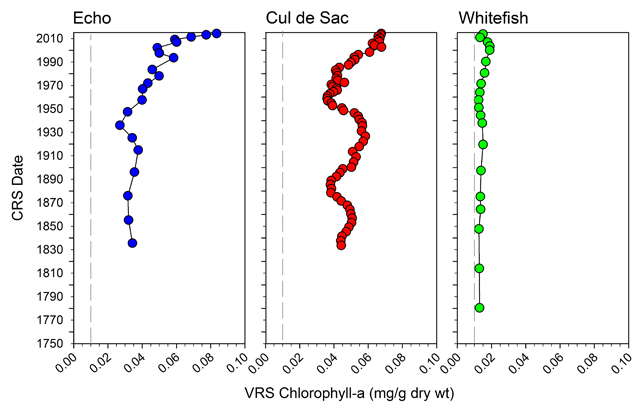
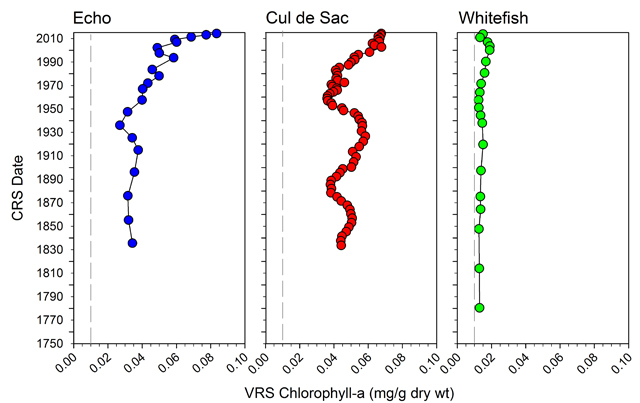 Bev Clark summarizes Clare Nelligan’s PhD research that studied the sedimentary record of Whitefish Bay, Cul de Sac Bay and Echo Bay to determine whether:
1) water quality has changed in Lake of the Woods embayments that support Lake Trout?
2) changes observed in the sedimentary record suggestive of a particular environmental stressor?
3) trends are similar between embayments?
Clare has completed her PhD and has moved on to a career in environmental consulting. LOWWSF is pleased to have supported her work as recipient of the Deborah Battigelli Memorial fund.
Phosphorus Variability in Lake of the Woods
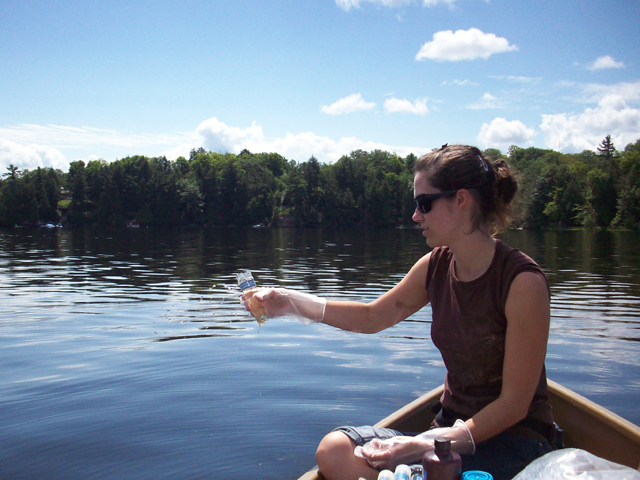
 Volunteers who take water samples as part of Ontario’s Lake Partner Program are key to what we know about phosphorus in Lake of the Woods and throughout the entire watershed. Bev Clark, an environmental scientist and consultant who has worked on Lake of the Woods and with the Foundation for many years, presents the Lake of the Woods phosphorus story. In a later article, Bev will focus on the upstream waters that feed into Lake of the Woods, including the Rainy River and beyond.
Ontario’s Commitment to Lake of the Woods
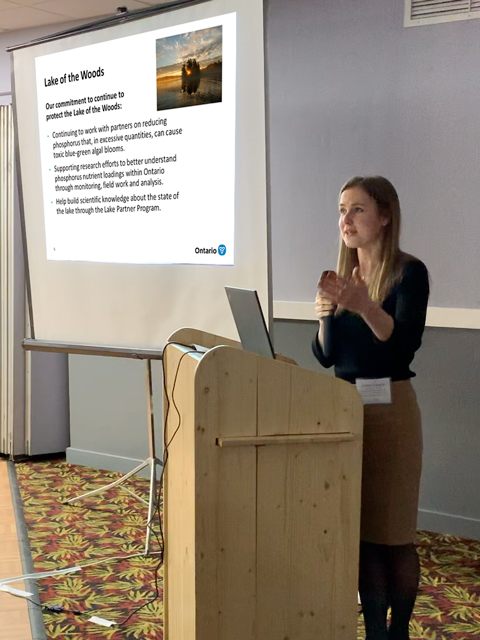
 Andrea Khanjin, Parliamentary Assistant to the Ontario Minister of Environment, Conservation & Parks, Jeff Yurek, and MPP for Barrie – Innisfil delivered an address at the Rainy-Lake of the Woods Watershed Forum. She highlighted progress under Ontario’s Environment Plan which identified Lake of the Woods as a priority for actions and asserted the commitments of the Government of Ontario to Lake of the Woods
Minnesota Releases Study of Rainy River’s Health
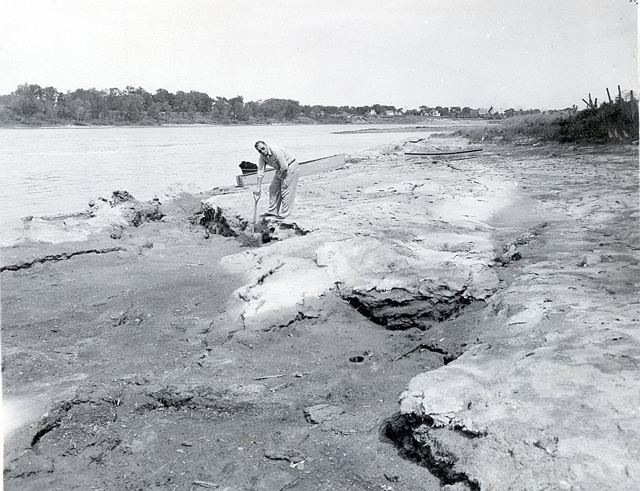
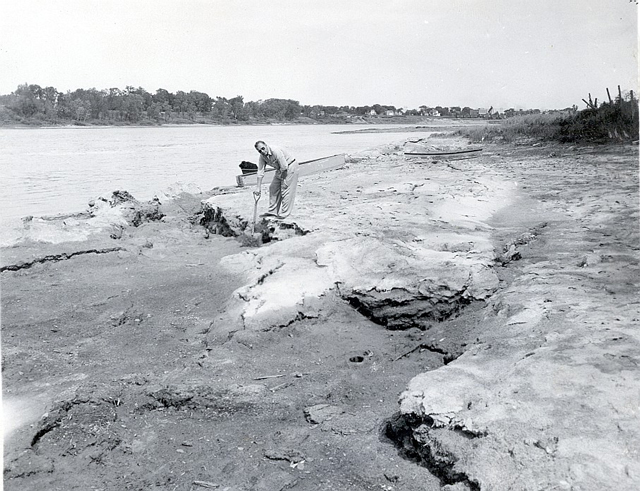 The Rainy River is a remarkable story of recovery from pollution. In decades gone by, pollution from paper mills and raw sewage severely harmed the river, its fish populations and recreational potential. In August, the Minnesota Pollution Control Agency released a report on its multi-year study of the health of the Rainy River.
In general, the report finds that the Rainy River is now a high-quality resource in good condition, although is listed as impaired for fish consumption due to elevated mercury in fish, similar to many lakes and rivers in our region. The report concludes that with restoration successful, it is now critical to protect this river and the streams and landscapes that feed it.