Ask an Expert Full Speakers List 2023
{article id=”285″}[image-intro]
[introtext]
[readmore]{/article}
{article id=”285″}[image-intro]
[introtext]
[readmore]{/article}

The IJC’s International Rainy-Lake of the Woods Watershed Board held its annual meetings with the public in Baudette, Minnesota on August 16 and Kenora, Ontario on August 17.

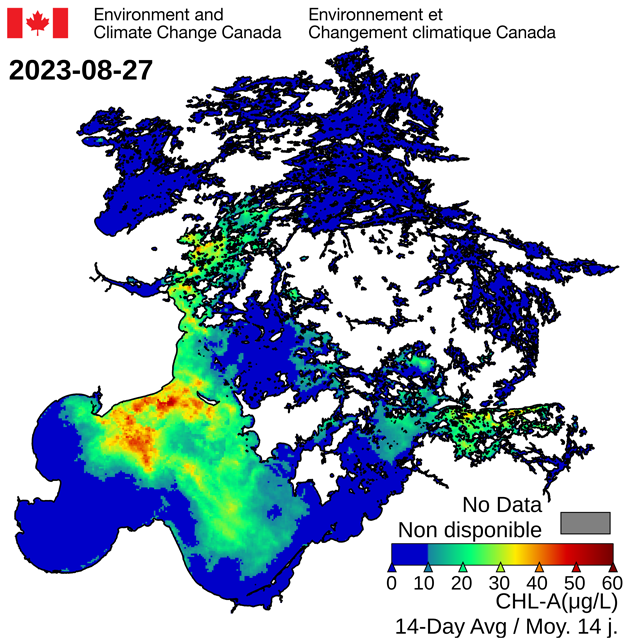
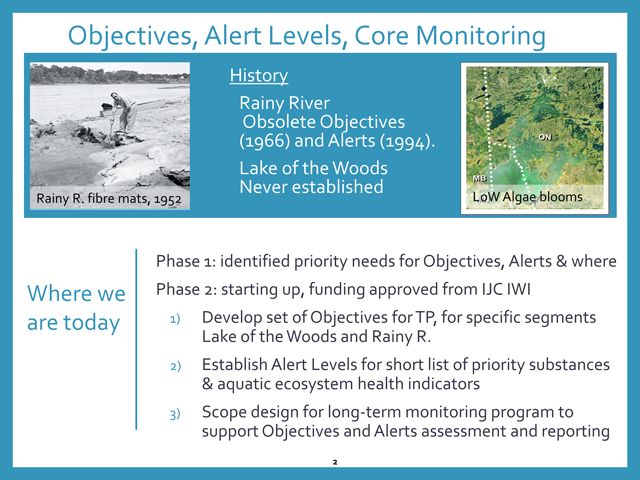
We’ve all seen the compelling satellite pictures of blue green algae blooms covering Lake of the Woods. As part of the Environment and Climate Change Canada’s Lake of the Woods Science Plan (2016-2020), Dr. Caren Binding

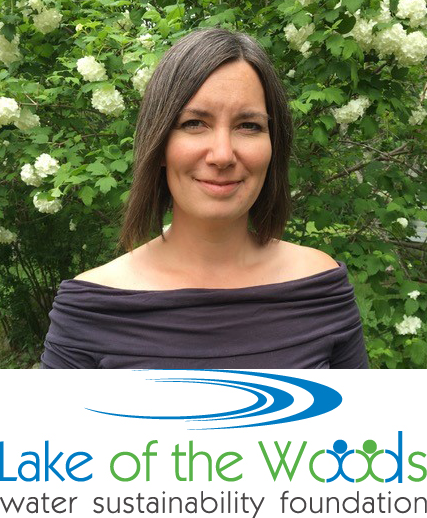
The Lake of the Woods Water Sustainability Foundation plays an essential role in coordinating the network of resource management agencies, government partners, and civil society contributors to watershed science and
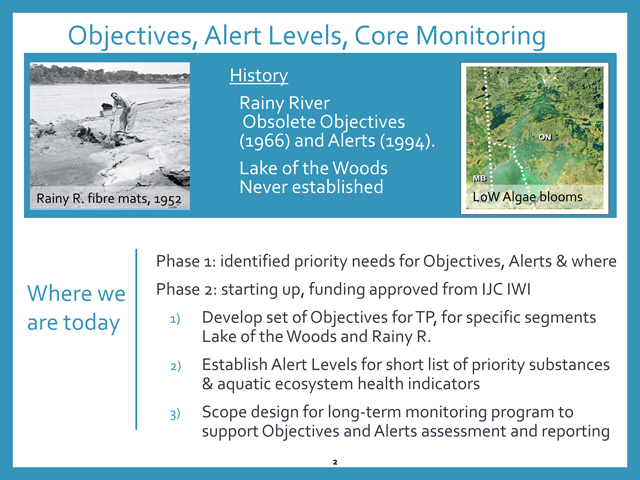
Until international phosphorus objectives are agreed to by governments, the IJC watershed board has adopted an interim approach of reporting on exceedances compared to the most stringent water quality criteria used by local state, provincial, or federal agencies for these shared waters.
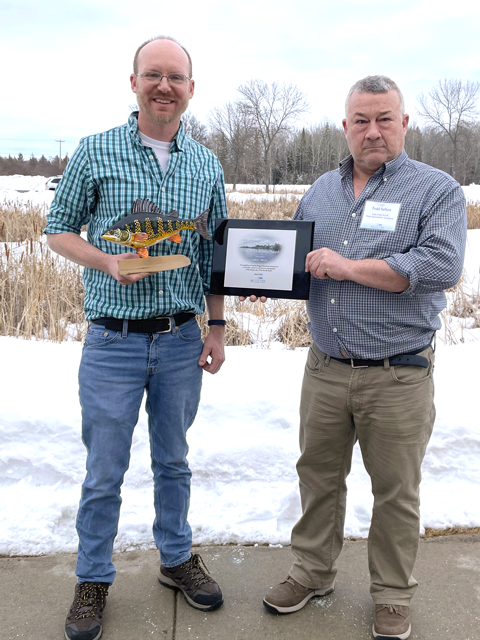
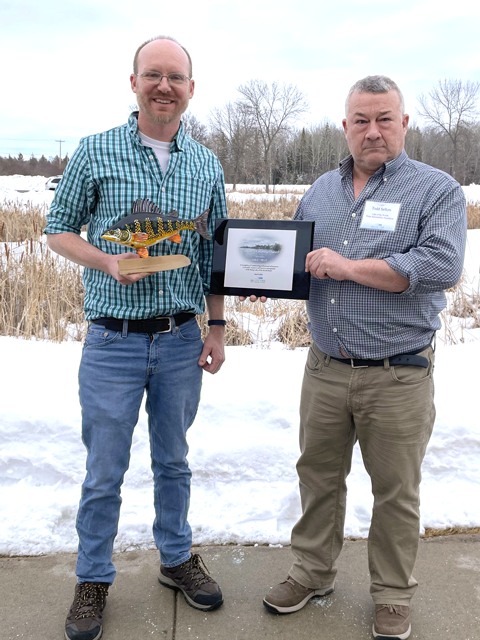
The IJC watershed board’s Aquatic Ecosystem Health Committee co-chaired by LOWWSF’s Todd Sellers, is leading the IJC International Rainy-Lake of the Woods Watershed Board’s current compilation of its annual water quality exceedances report.

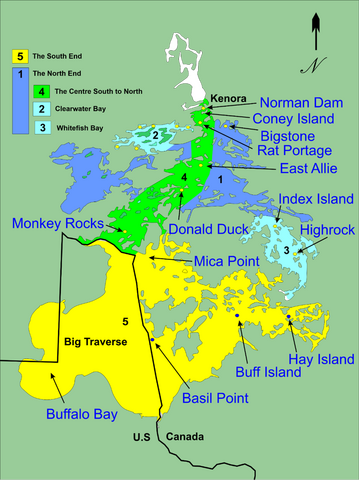
After a hot June but cool and sometimes smoky July, the algae bloom on Lake of the Woods started to develop in late July and early August as usual. Blooms began in the southern Big Traverse Bay and in the Morson-Sabaskong area to the south-east. By late August, the bloom covered 34% of the lake and has progressed northward through
Your donation supports our work to protect the
Lake’s water quality for future generations.